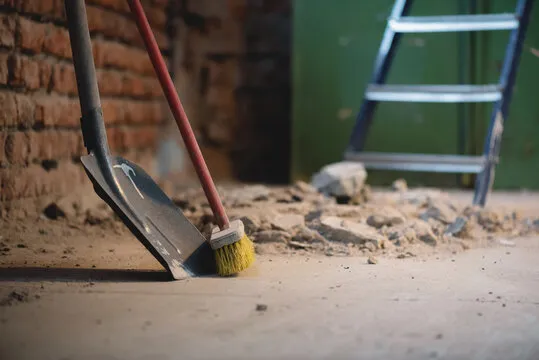
Construction and renovation projects transform spaces, giving homes and offices a fresh and modern look. However, they also leave behind dust, debris, and construction residues that make a property look unfinished and can pose health risks. Post-construction cleaning is crucial not only for aesthetics but also for safety and hygiene. A systematic approach with the right tools and techniques ensures that every corner is spotless and the space is ready for use. Whether you are a homeowner preparing to move in or an office manager getting the workplace ready for employees, understanding the steps of post-construction cleaning is essential.
Preparing the Space and Gathering Supplies
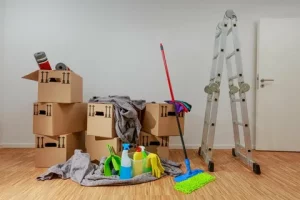
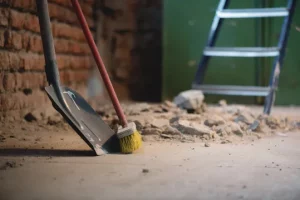
The first step in post-construction cleaning is preparation. Begin by removing large debris such as leftover wood, tiles, packaging materials, and broken pieces. Protective gear like gloves, masks, and safety goggles is important because construction dust can irritate skin and respiratory systems. Gather all necessary cleaning supplies, including a vacuum cleaner with HEPA filters, microfiber cloths, dusters, mops, buckets, cleaning solutions suitable for different surfaces, and trash bags. Having everything ready before starting prevents delays and makes the cleaning process more efficient.
Dust Removal and Surface Cleaning
Construction dust settles on every surface, from ceilings to floors. Effective dust removal starts from the top surfaces and works downward. Use a vacuum with a HEPA filter to trap fine dust particles and prevent them from spreading. Wipe surfaces with microfiber cloths, which are designed to capture dust rather than push it around. Soft-bristled brushes are useful for textured walls or intricate areas, ensuring that all dust is dislodged. Thorough dusting at this stage is crucial because leftover dust can cause scratches or accumulate in vents and fixtures, creating long-term maintenance problems.
Window and Glass Cleaning
Windows, mirrors, and glass doors often accumulate dust, smudges, and construction residues, making them appear dull. Use a streak-free glass cleaner or a mixture of vinegar and water to clean glass surfaces. Wipe both the interior and accessible exterior surfaces for maximum clarity. Remove protective stickers, films, or tape remnants left from construction. Don’t forget window frames and tracks, which often collect dust and small debris that can affect the overall cleanliness of the space.
Floor Cleaning
Floors are especially vulnerable to damage from leftover construction debris. Begin by vacuuming to remove loose dust and particles. For hard floors such as tiles, laminate, or hardwood, follow with mopping using a cleaning solution suitable for the specific material. Carpets require repeated vacuuming, and for heavy dirt or stains, professional carpet cleaning may be necessary. Pay close attention to corners, edges, and under furniture to ensure that no hidden debris remains. Proper floor cleaning not only enhances appearance but also prolongs the lifespan of flooring materials.
Kitchen and Bathroom Cleaning
Kitchens and bathrooms are high-traffic areas and often require detailed cleaning after construction. Wipe down countertops, cabinet interiors, sinks, and appliances to remove dust and construction residues. Scrub bathroom tiles, showers, toilets, and faucets to eliminate leftover grout, dust, and adhesive. Mirrors, drains, and ventilation fans should also be cleaned thoroughly. Attention to these areas ensures that they are hygienic and safe for daily use, which is especially important in residential and commercial settings.
Fixtures, Fittings, and Furniture
Post-construction dust can settle on light switches, doorknobs, handles, vents, and furniture. Wiping these fixtures with appropriate cleaning solutions removes dust and grime while maintaining their appearance. Furniture surfaces, including shelves, tables, and chairs, should be cleaned to remove dust and debris before being used. This step is critical for maintaining the overall polished look of the space and ensuring that surfaces are free from abrasive dust that can cause wear over time.
Air Quality and Vent Cleaning
Construction dust can affect indoor air quality, especially in enclosed spaces. Clean air vents, ducts, and filters to remove dust and allergens. Using an air purifier during and after cleaning can help reduce airborne particles. Proper ventilation not only ensures a healthier environment but also prevents dust from resettling on cleaned surfaces. Paying attention to air quality is often overlooked but is essential for homes and offices where people spend significant amounts of time.
Final Touches
The last step involves inspecting the entire space for any missed spots. Check corners, behind doors, and under furniture to ensure complete cleanliness. Polish surfaces, touch up any scuff marks, and replace protective coverings on delicate surfaces if necessary. Empty all trash bins, and remove any remaining construction debris. At this stage, the property should look move-in ready, safe, and comfortable for occupants. Taking the time to complete these final touches ensures a professional, thorough cleaning.
Post-construction cleaning can be a challenging and time-consuming task, but following a structured approach makes it manageable. From preparing the space and removing dust to cleaning floors, windows, fixtures, and improving air quality, each step contributes to a spotless, functional environment. For those seeking professional assistance, Freeway Cleaning Services offers comprehensive post-construction cleaning solutions for both homes and offices, ensuring that your property is ready to enjoy without the hassle or stress of tackling construction mess alone.